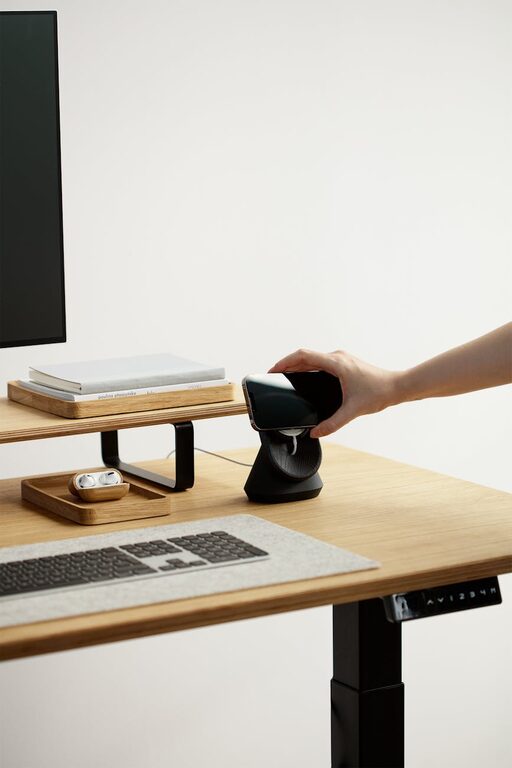
Creating a home office that is both cozy and productive can transform the way you work and feel throughout the day. Whether you are working remotely full-time or just need a dedicated space for occasional work, setting up an environment that supports your focus and comfort is key. In this post, we’ll explore practical tips to help you design a home office that feels inviting while maximizing your efficiency.
Choose the Right Location
Your home office’s location plays a big role in how well you can concentrate. If possible, pick a quiet area away from high-traffic zones like the kitchen or living room. A room with a door is ideal for separating work and home life. If space is limited, consider a corner of a bedroom or a nook in a less-used room.
Natural light is another important factor for comfort and concentration. Position your desk near a window to enjoy daylight, which can help boost mood and reduce eye strain. If natural light is scarce, invest in good-quality lighting that mimics daylight without causing glare.
Invest in Comfortable and Ergonomic Furniture
Since you’ll likely spend many hours at your desk, comfort should be a priority. Look for an ergonomic chair that offers good lumbar support and adjustable features like seat height and armrests. A desk at the right height can prevent strain on your shoulders and wrists.
Consider a sit-stand desk or a desk converter if you want the option to alternate between sitting and standing. This flexibility can help reduce fatigue and improve blood circulation during long work sessions.
Organize for Efficiency
Clutter can distract and slow you down. Keep your workspace tidy with smart organizational tools such as shelves, filing cabinets, and drawer organizers. Having a specific place for everything, from documents to stationery, saves time searching and keeps your focus on tasks.
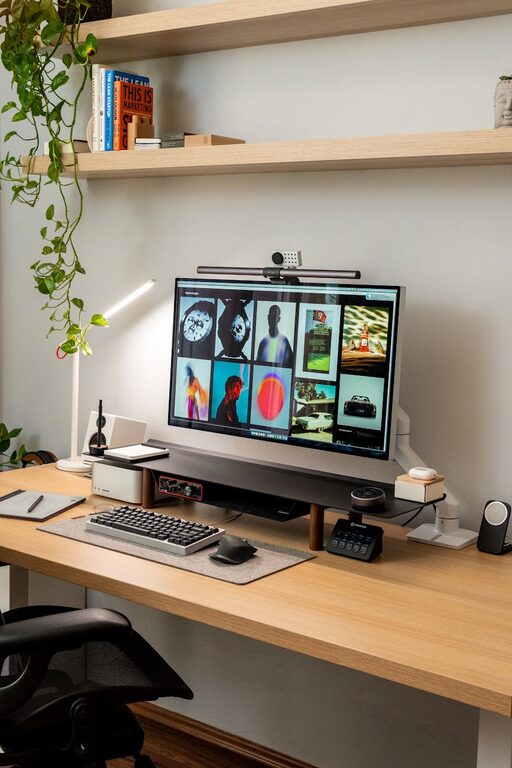
Cable management is another small but important detail. Use cable ties or clips to keep cords neat and out of the way. This not only looks better but also reduces the chance of accidental unplugging or tripping.
Add Personal and Cozy Touches
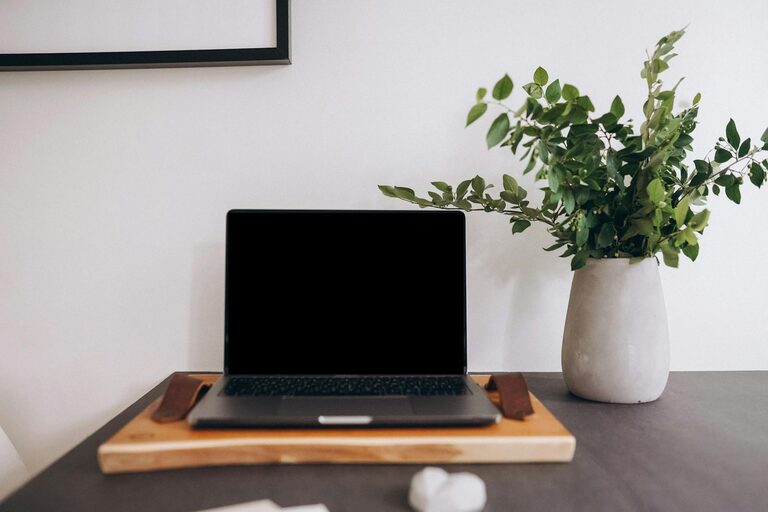
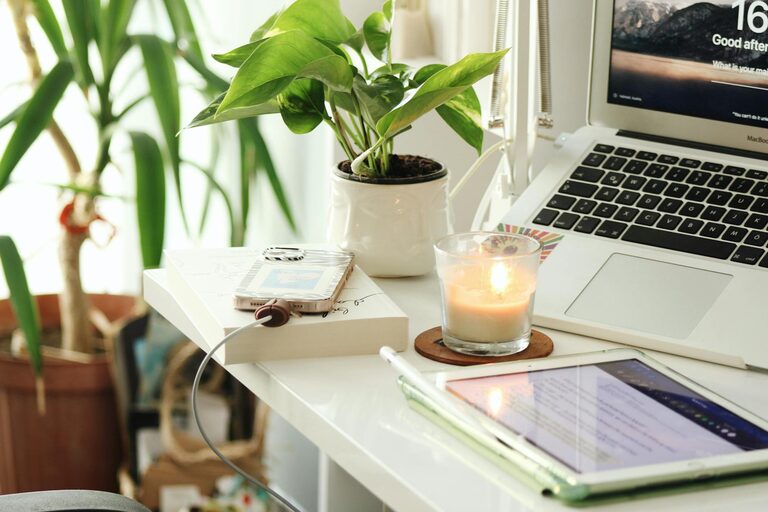
A cozy office is more inviting, which can increase your desire to spend time there. Add personal touches like photos, artwork, or plants that make you smile and inspire you. Indoor plants can also improve air quality and create a calming atmosphere.
Soft furnishings such as a rug, cushions, or a throw blanket can add warmth and make the room feel less sterile. Choose colors and textures that soothe you and keep the environment peaceful but energizing.
Minimize Distractions
Even in a quiet space, distractions can creep in. Try noise-cancelling headphones if you’re sensitive to household noises or external sounds. Set clear boundaries with family or housemates about your work hours.
Use technology to your advantage by turning off non-work related notifications on your phone and computer. If needed, explore apps for time management and focus that can help you stay on track.
Personalize Your Lighting
Good lighting reduces eye strain and sets the mood for productivity. Combine natural light with adjustable artificial lighting for the best results. A desk lamp with adjustable brightness is great for focused tasks like reading or writing.
Avoid harsh overhead lighting that can cause glare. Consider warm light bulbs that create a cozy ambiance, especially for late afternoon or evening work sessions.
Maintain Good Air Quality
A comfortable workspace needs fresh air. If your home office has windows that open, make it a habit to air out the room regularly. You can also use an air purifier or add more plants to help improve indoor air quality.
Temperature control is another important factor. Keep your space at a comfortable temperature using fans, heaters, or air conditioning as needed to maintain focus and comfort.
Set Up Your Technology Thoughtfully
Ensure that your computer, monitor, keyboard, and other equipment are set up correctly to reduce strain. Position your monitor at eye level and about an arm’s length away. Consider investing in a separate keyboard and mouse if you’re using a laptop to maintain good posture.
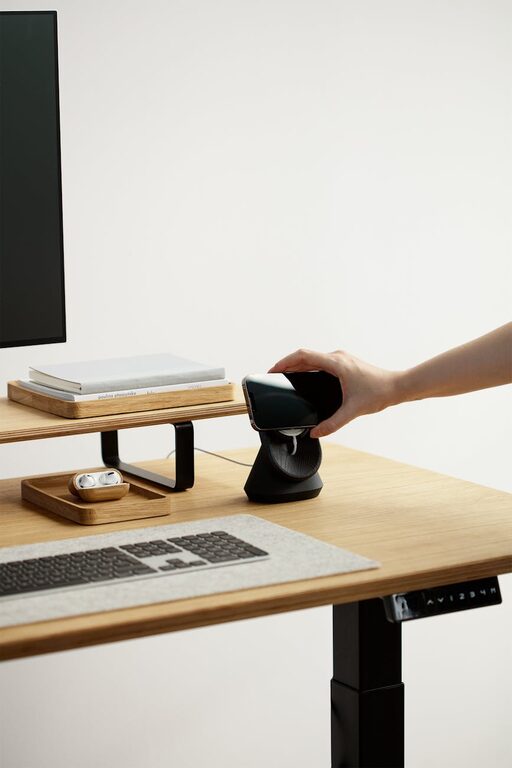
Keep tech essentials within easy reach, but avoid overcrowding your desk. Wireless devices can help reduce clutter. Make sure you have a reliable internet connection to avoid interruptions during work.
Create a Routine and Stick to It
A well-designed office can boost your productivity, but developing a consistent routine will help you make the most of it. Set regular working hours and take breaks at scheduled times to rest your eyes and stretch.
Having a start-of-day ritual, like making a cup of tea or spending a few minutes organizing your tasks, can prepare you mentally for work. At the end of your day, tidy up your workspace to create a fresh start for tomorrow.
—
Creating a home office that is both cozy and productive is about balancing comfort with functionality. With thoughtful choices in location, furniture, organization, and ambiance, you can build a space that not only supports your work but also enhances your well-being. Try incorporating these tips step by step, and enjoy the benefits of a home office you look forward to using every day.
About the Author