Creating an effective and productive home office space is essential for anyone working remotely or managing tasks from home. With the right setup, you can enhance your focus, reduce distractions, and maintain a healthy work-life balance. This guide provides practical tips to help you design a home office that promotes productivity and comfort.
Choose the Right Location
Selecting the best spot for your home office is the first step. Ideally, pick a quiet area away from household traffic and noise. A room with a door is perfect, but if that isn’t available, consider using room dividers or noise-canceling headphones.
Natural light is important as it boosts mood and energy. Position your desk near a window if possible, but avoid glare on your computer screen. If natural light is limited, invest in quality lighting to keep your workspace bright and inviting.
Invest in Comfortable and Functional Furniture
Comfort is key for long hours of work. Choose an ergonomic chair that supports good posture and offers adjustable height, backrest, and armrests. Your desk should be at a height that allows your arms to be parallel to the floor while typing.
Consider the size of your desk based on your work requirements. If you use multiple monitors or need space for note-taking, a larger surface is helpful. Storage options such as shelves, drawers, or filing cabinets help keep essentials organized and within reach.
Organize Your Workspace Efficiently
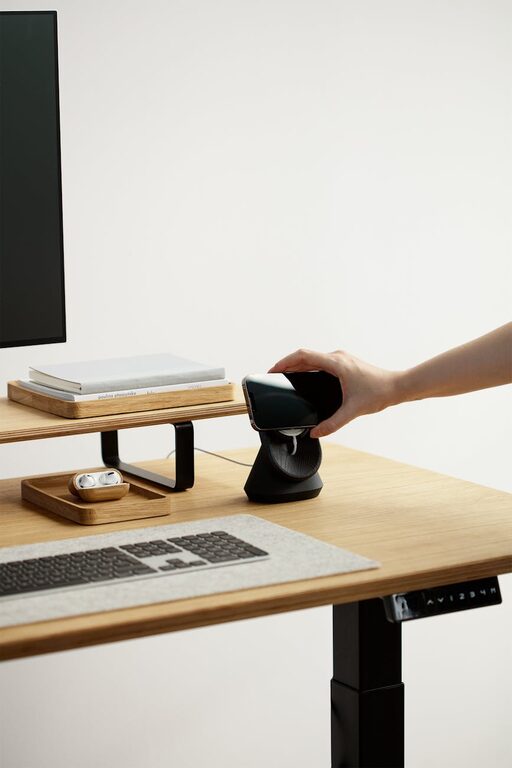
A clutter-free environment reduces distractions and improves focus. Use organizers like trays, pen holders, and drawer dividers to keep small items tidy. Cable management is also essential for a neat appearance; use clips or sleeves to bundle and hide wires.
Arrange your tools and materials based on frequency of use. Items you use daily should be easily accessible, while less frequently used items can be stored away. Maintaining a clean desk at the end of each day helps maintain productivity.
Personalize Your Space Without Overdoing It
Adding personal touches can make your home office feel welcoming and motivating. Choose artwork, plants, or décor that inspire you, but avoid overcrowding the space.
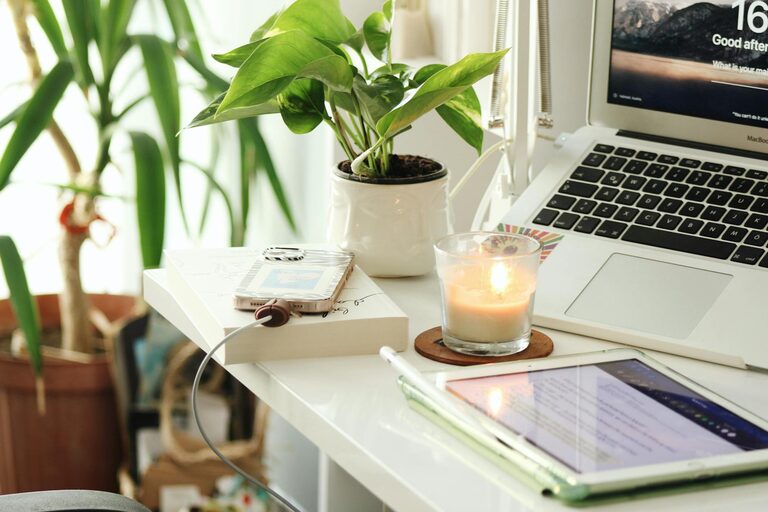
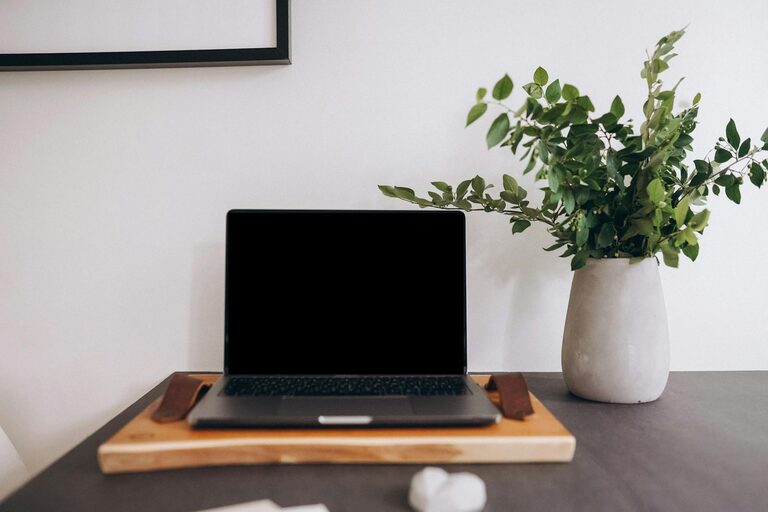
Plants are a nice addition—they improve air quality and provide a calming effect. Framing photos or motivational quotes can boost morale, but keep decorations minimal to avoid visual clutter.
Optimize Technology and Connectivity
Ensure your internet connection is reliable and fast enough for video calls and large file uploads. Invest in quality equipment such as a good webcam, microphone, and headphones for virtual meetings.
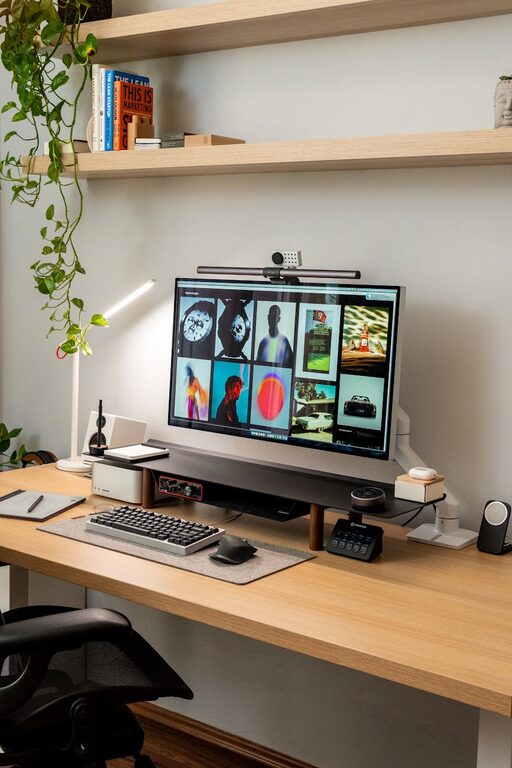
Set up your computer workstation ergonomically with the monitor at eye level to avoid neck strain. Backup your work regularly using cloud services or an external hard drive to protect against data loss.
Manage Noise and Distractions
Noise can be a major challenge in a home environment. Noise-canceling headphones help block out distractions. Alternatively, playing soft background music or white noise can improve concentration.
Set clear boundaries with household members about your work hours to minimize interruptions. Using a “Do Not Disturb” sign during important calls or focused work periods helps communicate your availability.
Establish a Routine and Boundaries
Design your workspace to transition easily between ‘work mode’ and personal life. At the start of the day, organize your desk and gather all necessary items to signal the beginning of work.
Take regular breaks to stretch, move, and rest your eyes. Avoid working in your bedroom or on the couch, as this can blur the lines between work and relaxation, making it harder to switch off.
Create a schedule with start and finish times to promote work-life balance. When your workday ends, shut down your computer and clear your workspace to mark the end of the day.
Incorporate Healthy Habits
Include items that support well-being, like a water bottle to stay hydrated, a small desk plant, or a standing desk option to vary your posture.
Good ventilation is important; keep the room fresh and at a comfortable temperature. Consider using an air purifier if needed.
Final Thoughts
Creating a productive home office takes thought and planning but pays off in increased focus and comfort. By choosing the right location, investing in ergonomic furniture, organizing your space, and maintaining a balanced routine, you can design a workspace that supports your work goals and overall well-being.
With these tips in mind, set up your home office to become a place where you can work efficiently, stay motivated, and enjoy the flexibility of working from home.
About the Author