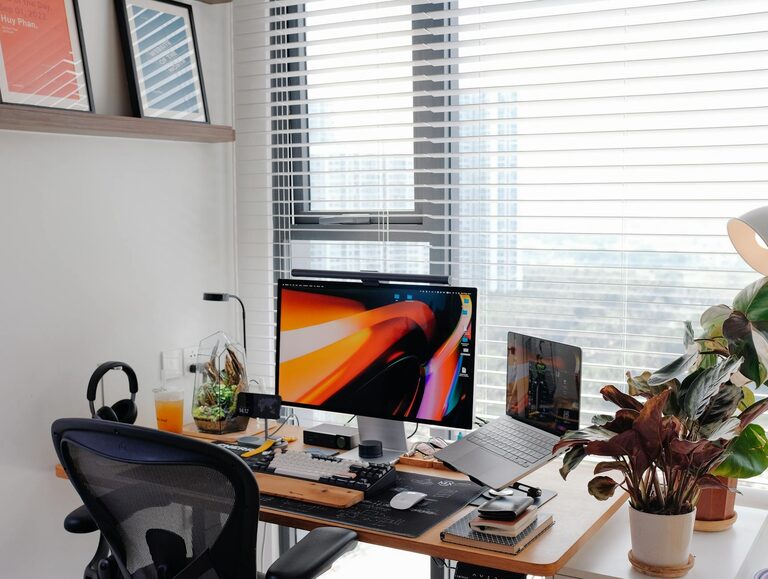
Creating a home office that feels comfortable yet boosts your productivity is essential for anyone working from home. A cozy workspace invites focus and creativity, while a productive setup helps you efficiently complete your tasks. Whether you have a dedicated room or just a corner of your living area, these tips will help you design a home office that meets both needs.
1. Choose the Right Spot
Find a Quiet Area
Select a location with minimal distractions to stay focused. Ideally, this should be away from high-traffic zones like the kitchen or living room. If you don’t have a separate room, consider using room dividers or privacy screens to create a defined workspace.
Consider Natural Light
Position your desk near a window to take advantage of daylight. Natural light improves mood and reduces eye strain. If natural light is limited, plan for ample artificial lighting (more on this below).
2. Prioritize Comfortable and Functional Furniture
Ergonomic Chair and Desk
An ergonomic chair supports your posture and reduces discomfort during long work hours. Look for adjustable height, lumbar support, and comfortable padding. Pair it with a desk at the right height so your arms rest comfortably when typing.
Use a Spacious Desk
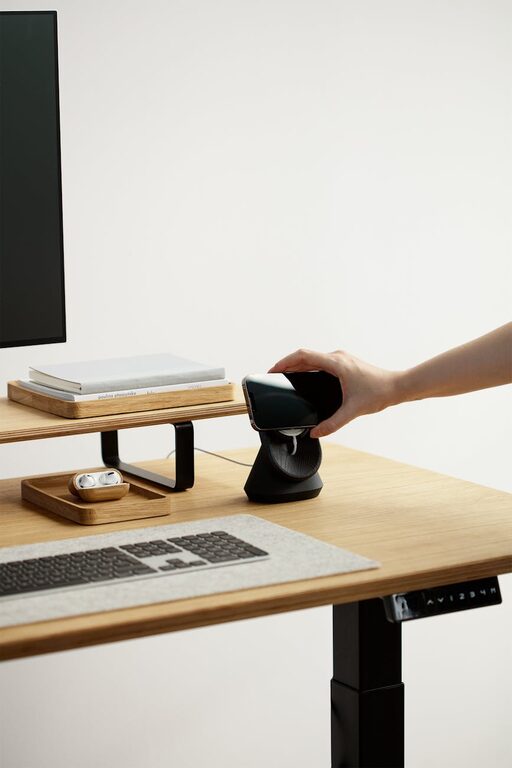
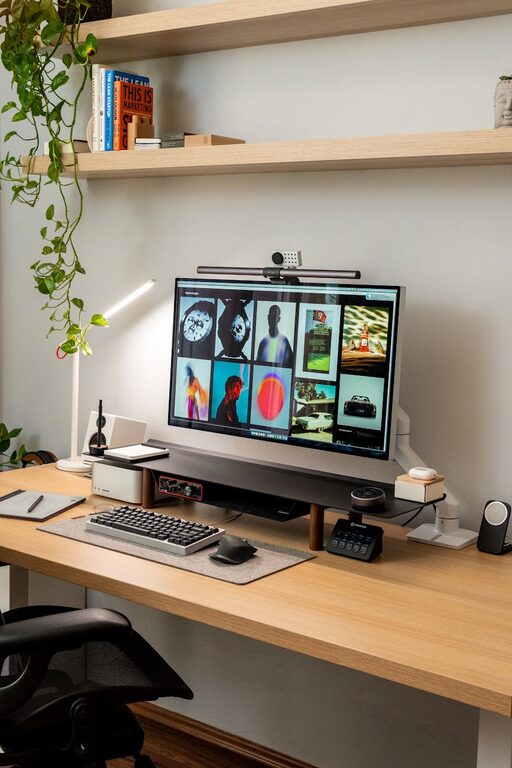
Your desk should have enough surface area to hold your essentials like your computer, notebook, and other tools. A clutter-free desk helps keep your mind clear.
Add Storage Solutions
Incorporate shelves, drawers, or filing cabinets to organize documents and supplies. Efficient storage keeps your workspace tidy, reducing stress and saving time searching for items.
3. Optimize Lighting
Layered Lighting
Besides natural daylight, use a combination of general, task, and accent lighting. General light brightens the entire room, task lighting focuses on your work area, and accent lighting adds ambiance.
Desk Lamps
A good desk lamp is crucial for reducing eye strain, especially if you work late into the evening. Adjustable lamps let you control the light direction and intensity.
4. Personalize Your Space
Add Cozy Elements
Include soft touches like cushions, blankets, or a comfortable rug to make your office inviting. These elements help you feel relaxed, which can enhance creativity.
Bring in Greenery
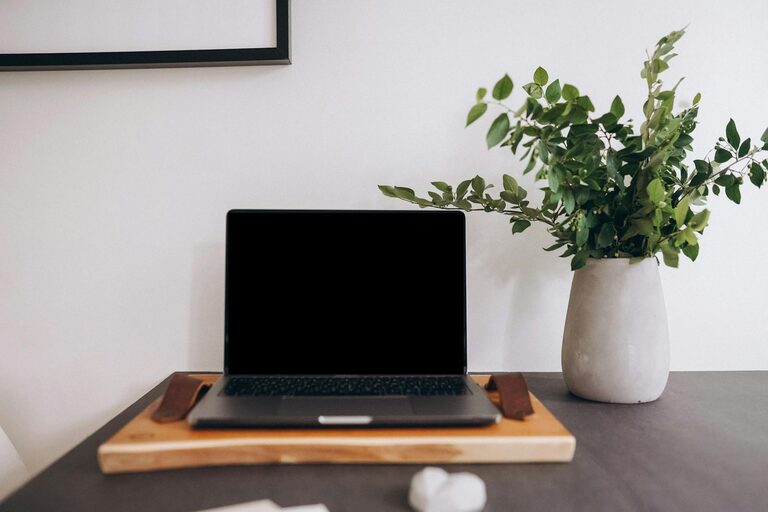
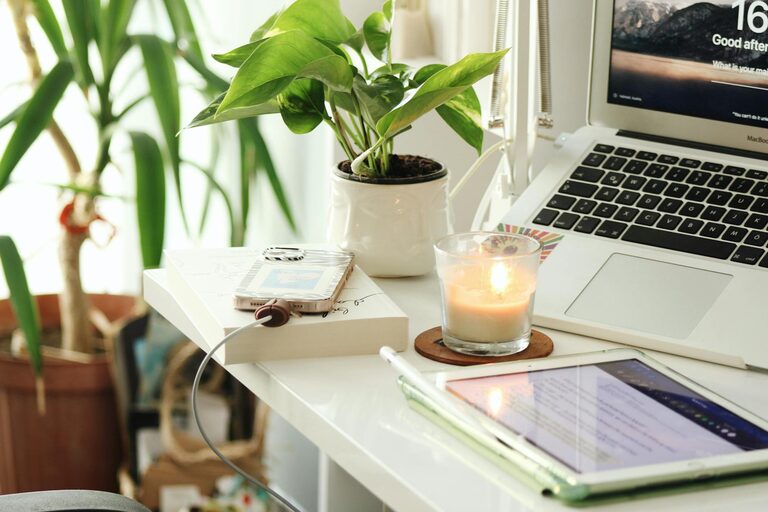
Houseplants improve air quality and add a sense of calm. Small pots of succulents or air plants require minimal care and brighten the space.
Display Inspiring Decor
Hang artwork, motivational quotes, or photos that make you happy. But avoid overloading the walls to keep the space uncluttered.
5. Manage Cables and Technology
Declutter Cords
Use cable organizers, clips, or under-desk trays to keep wires neat and out of sight. This helps prevent trips and creates a cleaner look.
Choose Reliable Technology
Invest in quality equipment such as a fast computer, a comfortable keyboard, and a responsive mouse. Technology that works smoothly reduces frustration and boosts efficiency.
6. Maintain Good Air Quality and Temperature
Ventilation
Ensure your home office has proper airflow to keep the air fresh. If a window isn’t an option, consider a small air purifier.
Temperature Control
Keep the temperature comfortable with a fan, heater, or air conditioner as needed. Being too hot or cold can distract you from work.
7. Set Boundaries and Routine
Define Work Hours
Create a schedule and stick to it to keep work from bleeding into your personal time. A defined routine helps maintain your productivity and work-life balance.
Use Visual Cues
Set up signals like closing the office door or turning on a specific lamp when you’re working. These cues remind family members or roommates to respect your workspace.
8. Keep It Clean and Organized
Daily Tidying
Spend a few minutes each day clearing your desk and putting away items. A clean desk fosters a clear mind.
Digital Organization
Organize your computer files and emails regularly. Digital clutter can be as distracting as physical mess.
—
Designing a cozy and productive home office is about balancing comfort with function. By focusing on thoughtful layout, quality furniture, proper lighting, and personal touches, you’ll create a space where work feels enjoyable and efficient. Remember that your workspace can evolve over time, so don’t hesitate to tweak it to find what works best for you.
About the Author